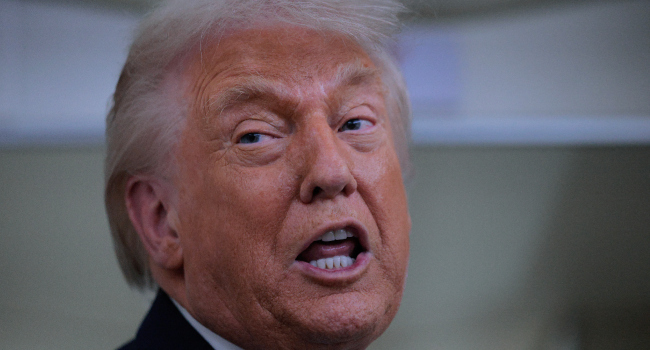
In a dramatic shift that has captured global attention, Donald Trump has announced that Israel will not carry out further attacks on Iran’s gas infrastructure, marking a significant reversal in tone following a controversial Israeli strike on the South Pars gas field—one of the most critical energy assets in the world.
This development comes at a time when tensions in the Middle East are at a boiling point, with global energy markets shaken and fears of a broader regional war growing.
The crisis escalated when Israel launched an airstrike on South Pars gas field in Iran—a move that shocked the international community.
The South Pars field is the largest natural gas field in the world, supplying a major portion of Iran’s energy.
The attack was seen as a major escalation, targeting not just military assets but critical economic infrastructure.
The strike triggered immediate retaliation from Iran, which launched attacks on energy facilities across the Gulf region, including targets in Qatar and beyond.
Initially, Trump distanced the United States from the Israeli operation, claiming Washington had no prior knowledge of the attack. However, reports later suggested there may have been some level of awareness or coordination behind the scenes.
Following the backlash and rising global instability, Trump made a decisive statement:
Israel will not strike Iran’s gas facilities again
He reportedly urged Israeli Prime Minister Benjamin Netanyahu to avoid further attacks on energy infrastructure, signaling a shift toward de-escalation.
Oil prices surged to around $119 per barrel, while gas prices spiked sharply.
Gulf nations and international partners demanded restraint to protect critical energy supplies.
Iran warned it would show “zero restraint” if energy infrastructure is targeted again.
The Middle East, already tense due to the ongoing Strait of Hormuz crisis, is now facing an even more fragile situation, with global trade routes at risk.
Trump’s statement has also exposed cracks in the US–Israel relationship:
The U.S. appears focused on limiting escalation and stabilizing energy markets
Israel, on the other hand, continues targeting Iranian military and leadership structures
Some reports suggest that Israel may still act independently if it perceives a direct threat, despite U.S. pressure.
While Trump’s assurance may reduce immediate fears, the situation remains volatile.
Trump has also warned that if Iran attacks key allies like Qatar again, the U.S. could respond with overwhelming force showing that while he seeks restraint, the threat of escalation still looms.
Trump’s U-turn highlights the delicate balance between military strategy and global economic stability. By urging Israel to halt further attacks on Iran’s gas facilities, the U.S. is attempting to prevent a full-blown energy and geopolitical crisis.
However, with tensions still high and trust between nations fragile, the Middle East remains on edge—and the world is watching closely.
Leave a Reply