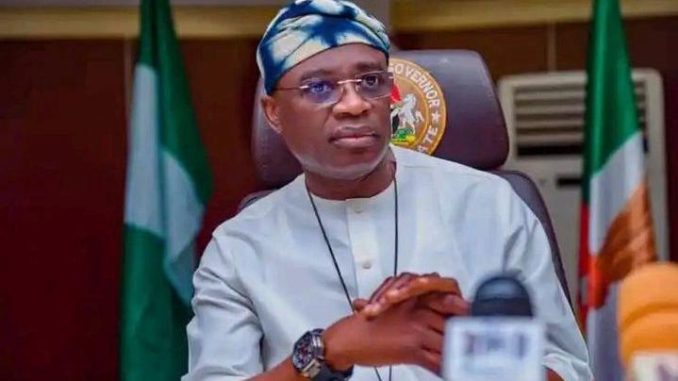
Recent political developments in Benue State have sparked widespread conversations among residents and key stakeholders, following a series of reforms introduced by Governor Hyacinth Iormem Alia. According to a report by Punch Newspaper on April 22, 2026, the state is witnessing a growing wave of debate as governance efforts intersect with emerging political alignments ahead of future contests.
Since assuming office, Governor Alia has positioned his administration around fiscal discipline and institutional reforms. One of the most talked-about achievements so far is the effort to clear outstanding salary arrears owed to civil servants, a longstanding issue that had significantly affected morale within the state workforce. For many workers and their families, this move represents a meaningful step toward restoring trust in government.
Beyond salary payments, the administration has also initiated measures aimed at strengthening public service delivery. These include restructuring certain government agencies, improving transparency in revenue generation, and attempting to plug financial leakages. Supporters of the governor argue that these policies reflect a deliberate attempt to reposition the state’s economy and create a more accountable system.
While some residents commend the governor’s bold steps and see them as necessary corrections to years of administrative inefficiencies, others remain skeptical. Critics argue that the pace of implementation has been uneven and that some policies lack sufficient consultation with key stakeholders. There are also concerns about how these reforms may impact political inclusiveness, especially as discussions around future leadership intensify.
Political observers note that the current atmosphere in Benue is not just about governance—it is also deeply tied to evolving political interests. As alliances begin to shift and new conversations emerge, the reforms introduced by the Alia administration are increasingly being viewed through both governance and political lenses.
For many citizens, the central question remains whether these reforms will translate into long-term development and stability. Issues such as infrastructure, security, and economic opportunities continue to dominate public discourse, with residents eager to see tangible improvements beyond policy announcements.
As Benue navigates this critical phase, one thing is clear: Governor Alia’s decisions are shaping not only the present realities of governance but also the future political landscape of the state. Whether these reforms will ultimately unify stakeholders or deepen divisions remains to be seen.
For now, the conversations continue, both on the streets and within political circles, reflecting a state actively engaged in defining its path forward.
Leave a Reply