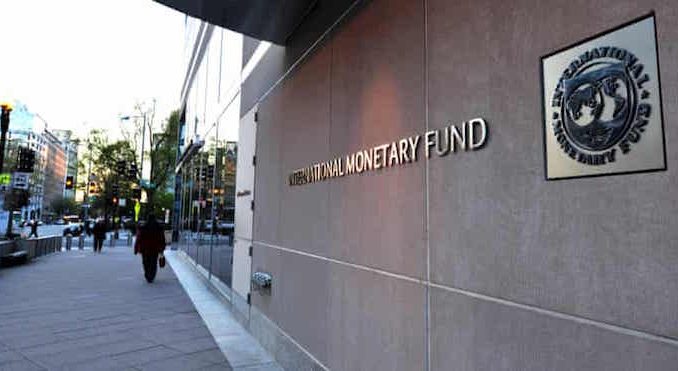
The International Monetary Fund (IMF) has warned that weak governance, poor business regulations, and limited market openness continue to slow economic growth across Sub-Saharan Africa despite the region’s enormous natural and human resources.
According to the global financial institution, many African economies still face structural challenges that discourage investment, weaken productivity, and limit long-term economic expansion. The IMF noted that although several countries in the region have shown resilience in recent years, deeper reforms are needed to unlock sustainable growth and improve living conditions for millions of people.
One of the key issues highlighted by the IMF is weak governance across several countries in Sub-Saharan Africa. Analysts say poor governance often affects public trust, economic planning, and the effective use of national resources.
In many nations, concerns about corruption, lack of transparency, policy inconsistency, and weak institutions continue to create uncertainty for both local and foreign investors. Economic experts argue that when institutions are weak, it becomes more difficult to implement development projects efficiently or maintain stable economic policies.
The IMF believes stronger institutions and transparent governance systems are necessary to attract long-term investment and ensure that public resources are used effectively for national development.
The organization also stressed that accountability and political stability are important factors in building investor confidence and encouraging economic growth.
Another major challenge identified by the IMF is the difficulty of doing business in many African countries. Complicated regulations, slow administrative processes, inconsistent policies, and excessive bureaucracy are often cited as barriers to entrepreneurship and private sector growth.
Business owners across the region frequently complain about multiple taxation, licensing delays, poor infrastructure, and limited access to financing. These problems can discourage small businesses from expanding and reduce the willingness of international companies to invest in certain markets.
Economic analysts say private sector growth plays a major role in job creation and innovation. However, without business-friendly policies and efficient regulatory systems, economic opportunities may remain limited.
The IMF encouraged governments across the region to simplify business regulations, improve legal frameworks, and strengthen support for entrepreneurs and investors.
The IMF also pointed to limited market openness as another factor slowing growth across Sub-Saharan Africa. Trade restrictions, weak regional integration, and barriers to cross-border commerce continue to affect the movement of goods and services within the continent.
Although Africa has one of the world’s fastest-growing populations, many economies remain heavily dependent on raw material exports rather than diversified industrial production.
Experts argue that stronger regional trade partnerships and open markets could help African economies become more competitive globally. Increased trade within Africa may also reduce dependence on foreign imports and create more opportunities for local industries.
The implementation of initiatives such as the African Continental Free Trade Area (AfCFTA) is viewed by many economists as a step toward improving economic integration and boosting intra-African trade.
However, infrastructure gaps, customs delays, and policy differences between countries continue to limit the full benefits of regional trade agreements.
Several countries in Sub-Saharan Africa are also dealing with rising debt burdens, inflation, and currency instability. Economic pressure from global events, including supply chain disruptions and fluctuating commodity prices, has further affected many African economies in recent years.
The IMF noted that while some countries have introduced reforms to stabilize their economies, fiscal discipline and careful economic management remain important.
Governments are being encouraged to improve tax systems, manage public spending more efficiently, and reduce waste in order to strengthen economic resilience.
At the same time, experts warn that economic reforms must balance fiscal responsibility with social protection, especially for vulnerable populations facing rising living costs.
Despite the challenges, the IMF acknowledged that Sub-Saharan Africa still possesses strong long-term growth potential. The region is rich in natural resources, agricultural opportunities, and a rapidly growing youth population.
Technology, renewable energy, digital finance, and infrastructure development are seen as sectors capable of driving future economic expansion if supported with the right policies.
Several African countries have also made progress in fintech innovation, mobile banking, and startup development, attracting growing international attention.
Economists believe that with improved governance, stronger institutions, better infrastructure, and open markets, many countries in the region could experience faster and more inclusive economic growth.
The IMF’s latest remarks add to ongoing discussions about the future of economic development across Africa. Policymakers, investors, and development experts continue to debate how governments can create environments that encourage innovation, investment, and sustainable growth.
For millions of Africans, the biggest concern remains whether economic reforms will lead to real improvements in employment, business opportunities, healthcare, education, and overall living standards.
As global economic competition continues to increase, many analysts believe African nations may need to accelerate reforms in governance, trade, and economic policy to fully unlock the continent’s vast economic potential.
Leave a Reply