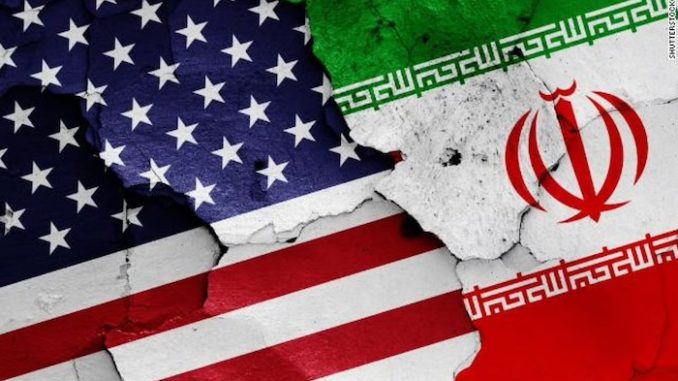
The geopolitical tension between Iran and the United States has taken a sharper turn, as Iranian military leaders dismiss Washington’s claims of ongoing diplomacy while new reports of U.S. troop deployments continue to surface. At the center of this crisis lies the strategically critical Strait of Hormuz, a global oil lifeline now facing growing uncertainty.
Iran has strongly rejected assertions from the United States suggesting that diplomatic engagements are ongoing. Senior Iranian officials have made it clear that Tehran is not currently open to negotiations, signaling a hardline stance amid escalating conflict.
Recent statements from Iranian leadership emphasize vigilance, with authorities warning they are closely monitoring U.S. military movements in the region.
This rejection of diplomacy raises concerns about the possibility of prolonged conflict, especially as both nations continue to escalate their rhetoric and military preparedness.
Reports indicate that the Pentagon is preparing to deploy approximately 3,000 troops from the elite 82nd Airborne Division to the Middle East.
This follows earlier deployments of thousands of Marines and multiple warships aimed at strengthening U.S. presence near Iran and safeguarding key assets.
While U.S. officials frame these actions as defensive and deterrent measures, Iran views them as provocative, further widening the gap between both nations.
The Strait of Hormuz remains the most critical pressure point in this unfolding crisis. Roughly one-fifth of the world’s oil supply passes through this narrow waterway, making any disruption a serious threat to global energy markets.
These actions highlight Iran’s strategy of leveraging the strait as both a military and economic tool.
The continued instability in the Strait of Hormuz has already disrupted shipping routes and triggered fluctuations in global oil prices. Analysts warn that any prolonged closure or restriction could lead to severe economic consequences worldwide.
Historically, even temporary disruptions in the strait have caused spikes in oil prices and strained global supply chains, affecting economies far beyond the Middle East.
With both sides unwilling to back down, the risk of escalation remains high. The situation demands urgent international attention, as further deterioration could impact global trade, energy security, and geopolitical stability.
The unfolding Iran–U.S. standoff represents one of the most critical geopolitical flashpoints in 2026. As diplomacy stalls and military activity intensifies, the Strait of Hormuz continues to symbolize both strategic power and global vulnerability.
For now, the world watches closely aware that any misstep in this high-stakes confrontation could have far-reaching consequences.
Leave a Reply