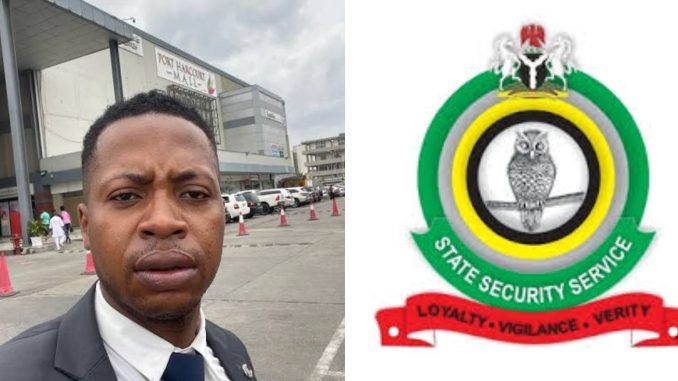
The recent statement by activist Livinus Nwosu following his release from detention has once again sparked conversations about freedom of expression, civic responsibility, and the personal cost of speaking out in Nigeria.
“I might likely return to DSS detention because I can’t keep quiet while people are suffering. I will continue with my ‘Renew Mind’ campaign.”
Those words are more than just a declaration of defiance; they reflect the conviction of a man who believes that remaining silent in the face of hardship is a greater burden than the risk of detention.
For many Nigerians grappling with economic challenges, insecurity, unemployment, and rising living costs, Nwosu’s statement resonates deeply. It captures the frustration of citizens who feel unheard and the determination of individuals who choose to advocate for change despite potential consequences.
The “Renew Mind” campaign, according to supporters, is centered on encouraging citizens to rethink societal values, demand accountability, and promote positive change through civic engagement. While opinions about the campaign may differ, its message has generated conversations about the role ordinary Nigerians can play in shaping the future of their communities and the nation at large.
Nwosu’s remarks have drawn both admiration and criticism. To some, he represents courage and resilience in a society where many people fear speaking openly about issues affecting their daily lives. They see him as a voice for struggling citizens and believe his willingness to continue his advocacy despite previous detention demonstrates commitment to a cause larger than himself.
Others, however, argue that activism must be approached carefully and responsibly to avoid unnecessary confrontations with authorities. They believe that while citizens have a right to express their concerns, such expressions should remain within the boundaries of the law and public order.
Regardless of where one stands, Nwosu’s statement highlights a broader reality facing many Nigerians today. Across the country, conversations about governance, accountability, economic hardship, and social justice have become increasingly common. From market traders struggling with the cost of goods to young graduates searching for employment opportunities, many citizens are asking difficult questions about the direction of the nation and the future that lies ahead.
What makes Nwosu’s statement particularly significant is the personal risk attached to it. Most people naturally seek safety and stability, especially after experiencing detention or legal challenges. Yet his declaration suggests that his commitment to advocacy remains unchanged. Whether one agrees with his views or not, it takes a certain level of conviction to continue speaking publicly after such an experience.
History has often shown that social movements and societal reforms are fueled by individuals who are willing to challenge prevailing conditions. Around the world, many activists, reformers, and civil rights advocates faced resistance before their ideas gained wider acceptance. While every situation is different, the underlying principle remains the same: progress often begins with conversations that some people are initially uncomfortable having.
At the same time, Nwosu’s statement also raises important questions about the balance between national security and freedom of expression. In every democratic society, governments have a responsibility to maintain law and order, while citizens have the right to voice concerns, criticize policies, and advocate for change. Finding the right balance between these two responsibilities remains one of the most challenging aspects of governance.
The reaction to his comments on social media further demonstrates the divide in public opinion. Supporters have praised his courage, describing him as a symbol of resistance and hope. Critics, meanwhile, have questioned his methods and warned against actions they believe could escalate tensions. Yet amid these differing perspectives, one thing remains clear: his words have succeeded in reigniting public discussion.
Beyond politics and activism, the statement serves as a reminder of the power of individual conviction. It underscores the idea that ordinary citizens can influence public discourse simply by refusing to ignore issues they consider important. Whether through advocacy, community service, public dialogue, or civic participation, meaningful change often starts when individuals decide that silence is no longer acceptable.
As Nigeria continues to navigate complex social and economic challenges, voices like Livinus Nwosu’s are likely to remain part of the national conversation. His willingness to continue the “Renew Mind” campaign despite the possibility of returning to detention reflects a belief that societal transformation requires persistence, sacrifice, and courage.
For now, the debate continues. Some see him as a fearless advocate for the people, while others remain skeptical of his approach. But regardless of the differing opinions, his statement has achieved one undeniable outcome: it has compelled Nigerians to reflect on the importance of speaking up, participating in civic life, and considering what role each citizen should play in shaping the future of the country.
In a time when many people are struggling to make their voices heard, Livinus Nwosu’s message is simple and direct: the suffering of the people is too significant to ignore, and for him, silence is not an option.
Leave a Reply